

-
-

-
-
1. Introduction
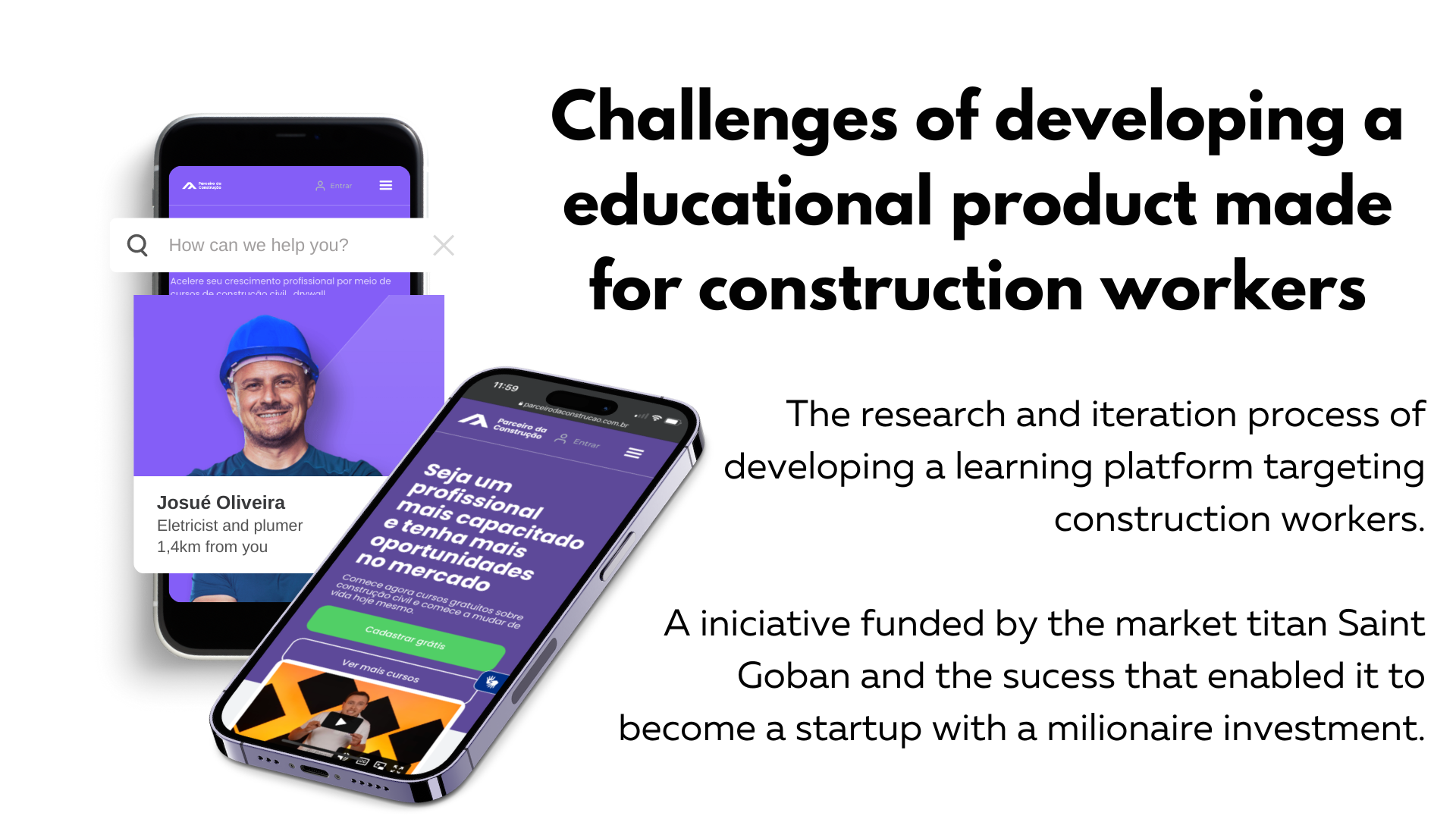
In this case study, we will explore the challenges faced while in the role of UX researcher, designing an educational product for construction workers. The product aims to enhance the skills and knowledge of construction workers, enabling them to improve their performance and safety on the job. By understanding the unique characteristics and requirements of this target audience, we can identify the challenges encountered and propose solutions to overcome them.
2. Understanding the Target Audience
Construction workers constitute a diverse group with varying levels of education, technological literacy, and work experience. To design an effective educational product, I´ve considered the following challenges:
2.1 Technological Literacy: Many construction workers may have limited exposure to technology, particularly digital platforms or learning management systems. Their familiarity with smartphones or tablets may also vary significantly.
2.2 Time Constraints: Construction workers often work long hours, leaving limited time for training and learning. Designing a product that fits into their busy schedules is crucial for adoption and engagement.
2.3 Language and Literacy: Construction workers come from diverse linguistic backgrounds, and English may not be their first language. Ensuring that the product accommodates multiple languages and addresses potential literacy barriers is essential.
2.4 Contextual Relevance: The educational content must be highly relevant to the construction industry, addressing the specific needs, challenges, and safety considerations that workers encounter on construction sites.
3. Research and Discovery
To address the challenges mentioned above, I´ve conducted extensive research and discovery activities:
3.1 User Interviews: Conducted in-depth interviews with construction workers to gain insights into their learning preferences, technology usage, and pain points related to training and education.
3.2 Observation and Contextual Inquiry: Observed workers on construction sites to understand their work environment, tasks, and potential learning opportunities.
3.3 Literature Review: Studied existing research on adult learning, construction industry training, and user experience in educational products to identify best practices and relevant theories.
4. Design solutions
Based on the research findings, I´ve proposed several design solutions to address the challenges identified:
4.1 Intuitive User Interface: Creating a user interface that is intuitive and easy to navigate, even for users with limited technological literacy. This involves using familiar visual metaphors and minimizing complex interactions.
4.2 Mobile Accessibility: Developing a mobile-friendly product to accommodate workers' on-the-go lifestyles. This allows them to access educational content anytime, anywhere, using their smartphones or tablets.
4.3 Bite-Sized Learning: Breaking down the educational content into bite-sized modules to fit within the limited time constraints of construction workers. This ensures that workers can easily consume information during short breaks or downtime.
4.4 Gamification and Interactive Elements: Incorporating gamified elements and interactive exercises to enhance engagement and motivation. This approach helps create an immersive learning experience and increases knowledge retention.
Iterative Testing and Feedback
I´ve conducted iterative testing sessions with a group of construction workers to gather feedback and refine the product design. This process involved usability testing, focus groups, and surveys to evaluate the effectiveness of the proposed solutions and identify areas for improvement.
Conclusion
Designing an educational product for construction workers presents unique challenges, including technological literacy, time constraints, language barriers, and contextual relevance. By conducting thorough research, understanding the target audience, and proposing appropriate design solutions, I´ve created a user-centric product that effectively addresses the needs and constraints of construction workers.
Continuous feedback and iterative testing play a crucial role in refining the design and ensuring its success in enhancing the skills and knowledge of construction workers on the job.
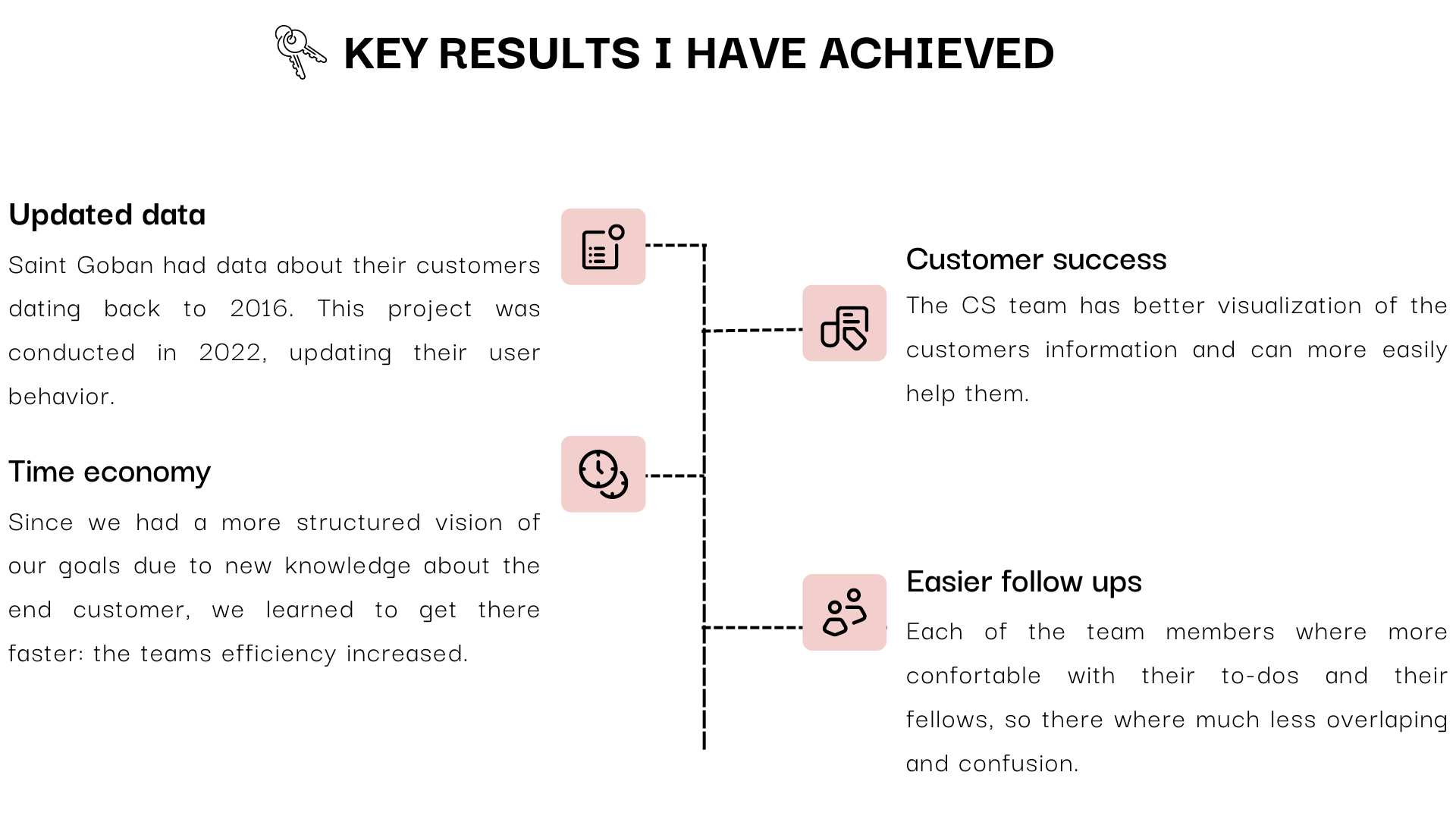
Considering that our business strategy and company goals in the short and long term played an important role in deciding what would be prioritized, how our roadmap would look like for the next quarters what would be built by our UI design specialists, and what the back/front end would develop, some insights discovered weren´t put into practice right away, but the knowledge gathered through this research and what we learned from it is still referenced and taken into consideration to this day.